Innovation and design for a circular future
Limits of the model
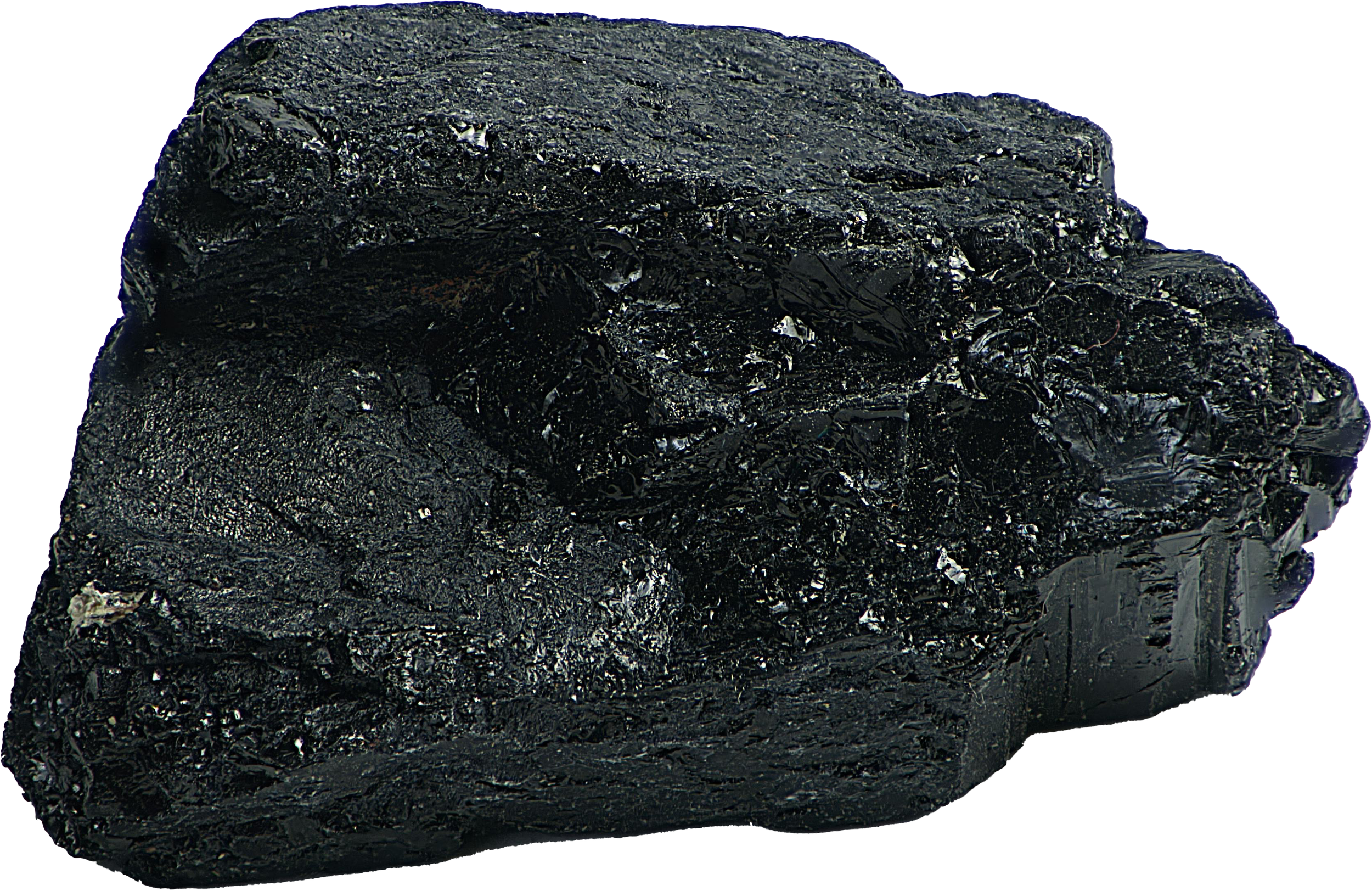
The linear model of extraction, production, use and end of life leads to resource overexploitation, waste accumulation, and a high environmental impact. It is urgent to transition toward circular and regenerative models that prioritize responsible materials and promote reuse, repair, and recycling.
A change of focus
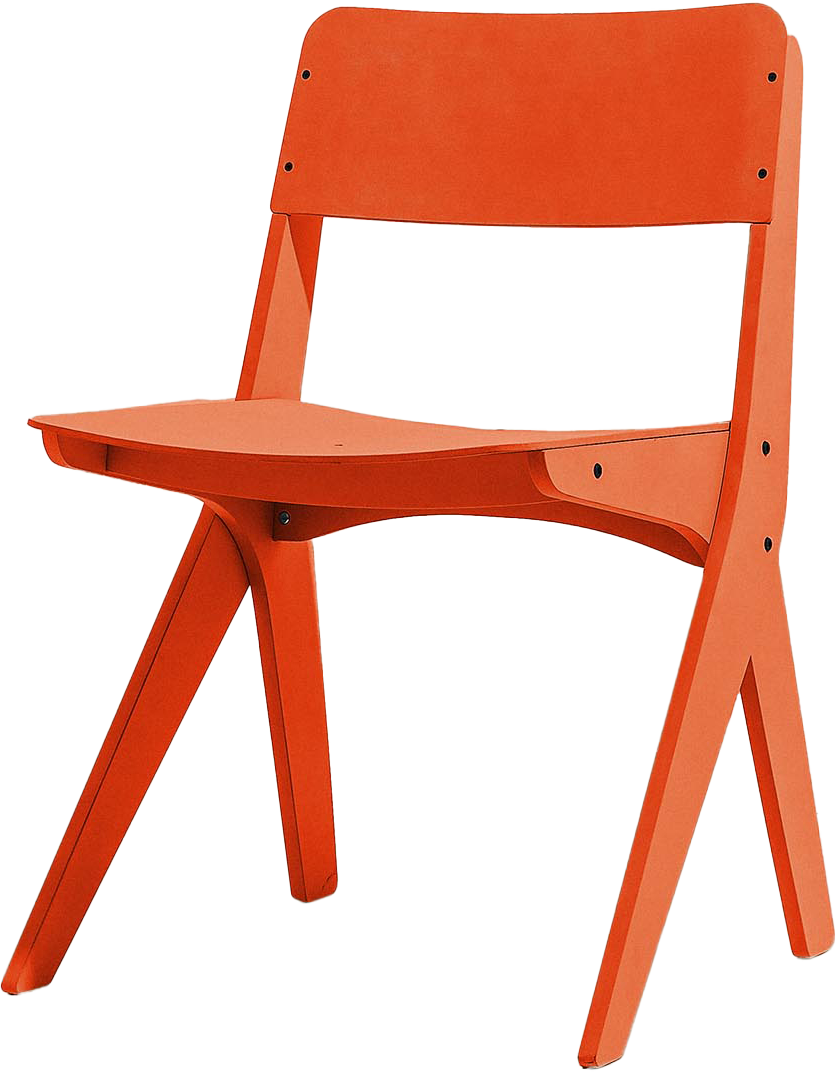
It’s not just about creating attractive products and services with strong differentiation and market impact, it’s about rethinking how they are produced, used, and discarded through a life-cycle approach that generates benefits for both users and the planet.

The power of design
When applied effectively, design improves impacts, optimizes resources, and promotes new habits while maintaining the value of materials, components, and products for longer. From material selection to the development of circular systems, design is a powerful tool for building a better future. We want to accompany you in this process.

What we do
More than fifteen years of experience supporting companies and organizations in improving their environmental impact through design, with a balanced positioning between creativity, technical expertise, and environmental knowledge.
-
We are pioneers in the creation of products guided by rigorous principles of circularity. We integrate sustainability as a central element throughout every phase of our process, driven by a deep understanding of life-cycle impacts. We excel in technical development, turning concepts into reality with precision and efficiency. Our thorough research into suppliers and materials ensures the selection of the most responsible and effective options, providing continuous support to our clients every step of the way.
-
We assess the life cycle of products and services to identify key impact areas and provide practical insights for informed environmental decision-making. We analyze resource flows within organizational operations and deliver strategies to improve circularity, aligned with the challenges of each specific sector. We work closely with internal teams to design and implement circular business models and address critical areas with lasting impact.
-
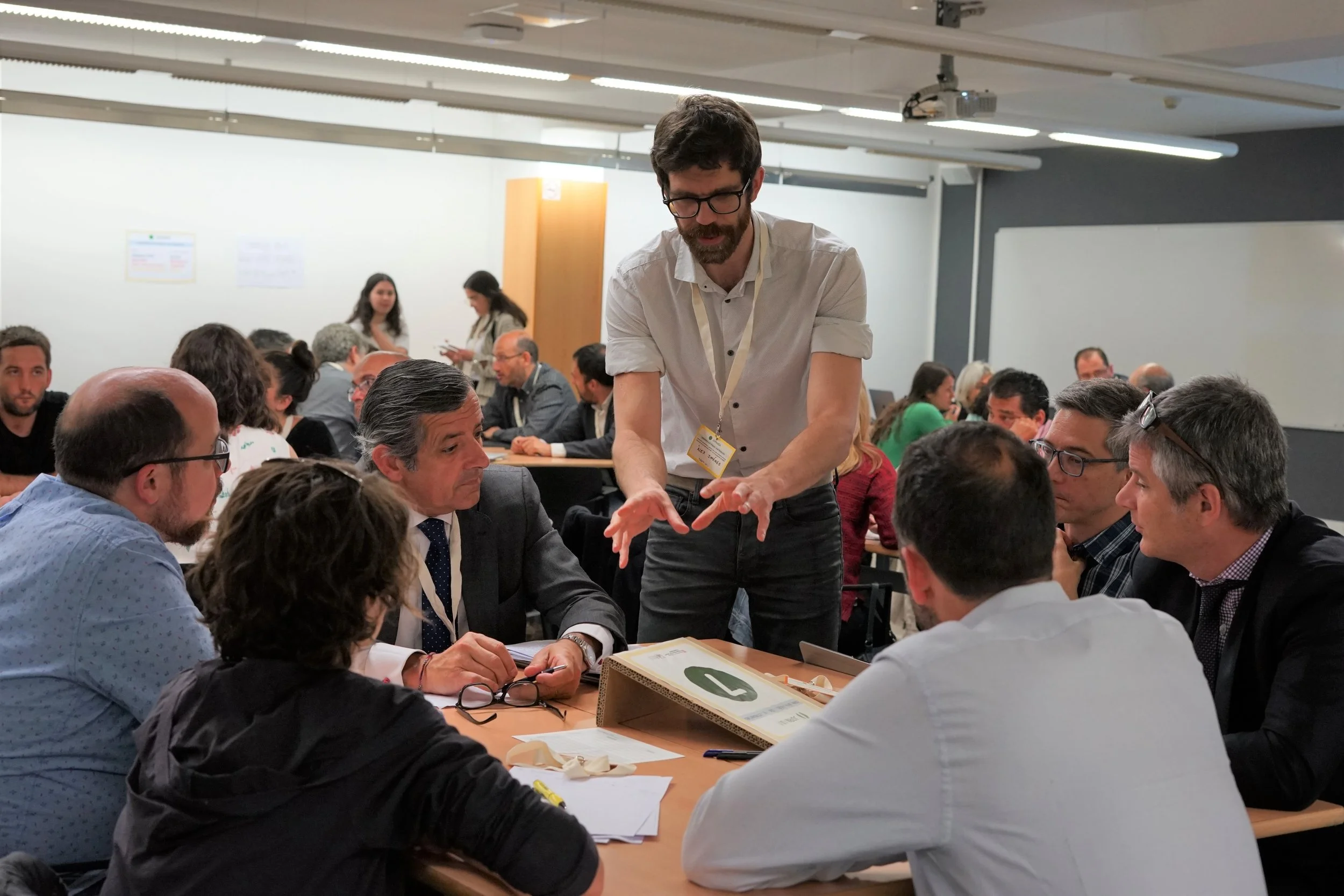
We organize circular design workshops that equip teams across diverse organizations with practical tools for circular innovation. We also give talks on design and sustainability, sharing knowledge and experience with a variety of audiences. We collaborate with educational institutions at different academic levels, inspiring future generations to adopt responsible and forward-thinking practices.
-
We identify and evaluate a wide range of calls for design and circularity research projects at both local and European levels, aligned with the goals of our clients and partners. We provide leadership, support, and guidance throughout the entire application and implementation process, ensuring strong results that help organizations move toward higher-impact solutions and business models.
-
![]()
Providing tools for the furniture sector’s transition toward circularity
We have led the development of a practical guide that outlines the current context of the sector in terms of circularity, the regulatory frameworks that affect it, and strategies and examples validated by a solid group of experts. It includes a self-assessment tool to help furniture companies evaluate their level of maturity and prioritize their transformation strategies toward circularity.
Client: Ambit Cluster (FurnCIRCLE) -
![]()
Developing responsible consumer electronics
We have supported Hune in the technical and strategic development of a line of consumer electronics that aims to become an environmental benchmark within its sector. Single-use plastics have been completely eliminated from the packaging, certified post-consumer plastics with GRS traceability have been introduced, and additional strategies such as modular design and take-back systems have been implemented to enhance the recyclability of electronic products.
Client: Hune -
![]()
Strengthening the connection between producers and RAEE's managers
We organized a workshop bringing together manufacturers and waste managers from the electrical and electronic equipment sector, fostering dialogue and collaboration to improve circularity. Through tailored activities, participants worked in groups to apply ecodesign principles to real electronic products, learning how to reduce their environmental impact from material sourcing to end of life.
-
![]()
Transforming the international rug benchmark toward circularity
Since 2022, we have been supporting Nanimarquina in its transition toward a more circular model, acting as its external sustainability department. Our collaboration covers both strategy and operational implementation, following a systemic approach. Among many initiatives, we have developed environmental analyses (LCA), Environmental Product Declarations (EPD), a digital passport pilot, packaging improvements, and internal training sessions. All of this aims to integrate sustainability at the core of the brand, further strengthening its long-term environmental and social commitment.
Client: Nanimarquina -
![]()
Circular strategy and design for an innovative furniture startup
We have supported Suru.barcelona in developing a comprehensive strategy based on circularity, using innovative materials with low environmental impact and toxicity, as well as designing and technically developing products that are repairable and easy to recycle. The goal is to position Suru as a sustainability benchmark in the sector.
Client: SURU




We approach sustainability and circular design as a collaborative effort, involving the entire value chain to create balanced and positive impacts for organizations, governments, and their communities.
At Nutcreatives, we work alongside companies, public administrations, and key stakeholders to transform complex challenges into higher-impact solutions through circular design strategies. We apply a systemic approach that integrates ecodesign, life-cycle analysis, product innovation, and material development to rethink every phase of the value chain. Our goal is to create projects that deliver real improvements: environmentally responsible, economically viable, and socially relevant.
